Robbie Hostels
Robbie Hostels
A Home Away From Home at Rob Ferreira High School
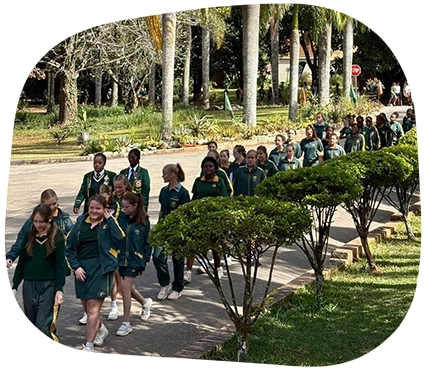
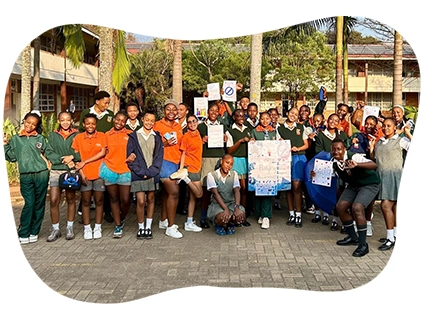
Rob Ferreira High School offers two dedicated hostel residences that give learners a structured, supportive, and well-managed home during the school week. With one hostel for boys and one for girls, hostel life is built around strong values, academic focus, personal growth, and a sense of belonging. Both hostels aim to create a safe, supportive, and structured environment that encourages responsibility, independence, community, and success.

Huis Basie van Wyk
Huis Basie van Wyk is the boys’ hostel at Rob Ferreira High School.
Its culture is shaped by the values of brotherhood, victory, and honour, with a strong emphasis on loyalty, discipline, neatness, academic commitment, and mutual respect.
The hostel encourages boys to grow into responsible young men in an environment where character, effort, and community matter.


House Kazuri
House Kazuri is the girls’ hostel at Rob Ferreira High School. The hostel stands for heart, honour, grace, accountability, and cooperation, creating a warm but structured environment where girls are encouraged to develop confidence, discipline, and pride in themselves and their community.
Since its renaming to House Kazuri in 2023, the hostel has continued to build a unique identity rooted in belonging and growth.
Values & Traditions
Life in the Robbies hostels is about much more than accommodation. It is about becoming part of a community with a shared identity, shared standards, and lasting traditions. At Huis Basie, boys are encouraged to live out the hostel motto through loyalty, resilience, honour, and brotherhood. At House Kazuri, girls are encouraged to live with heart and lead with honour, reflecting values such as loyalty, cooperation, accountability, integrity, respect, and obedience.
Tradition also plays an important role in hostel culture. Huis Basie places value on orientation, mentorship, shared responsibilities, and belonging, especially for new Grade 8 learners as they settle into hostel life. House Kazuri has developed its own identity through its name, logo, song, and legacy, helping girls feel connected to something meaningful and proudly their own.
Daily Routine
Hostel life follows a structured daily routine designed to support neatness, punctuality, discipline, and academic performance. The day begins early with a morning bell, room preparation, inspection, and a quiet period for Scripture reading and prayer before learners leave for school. After school, learners are encouraged to take part in extra-curricular activities, followed by bath time, meetings where necessary, evening study sessions, a study break, final inspection, silent time, and lights out. This structure helps learners build good habits, manage their time well, and remain focused on both schoolwork and personal responsibility.
Study is treated as a priority in the hostel environment. During study periods, there must be silence, cell phones must be switched off, and learners are expected to work constructively. This strong academic focus forms an important part of the hostel culture and supports learners in reaching their full potential.
Weekend & Afterhours
The hostels operate as a weekly home for learners and generally close over weekends, from Friday afternoon until Sunday afternoon, with Sunday evening return times depending on the season. On sporting weekends, the hostel closes once learners leave for sport. Learners who need to remain in the hostel over a weekend must receive permission in advance. This system helps maintain order while also giving families clarity around travel and planning.
After hours, the hostel remains carefully supervised. Learners are expected to follow sign-in and sign-out procedures, respect quiet times, and observe hostel rules around visits, calls, movement, and general conduct. Medical procedures are also clearly managed, with staff on duty available to respond and parents contacted when needed.
A Look Inside Robbies Hostel Life
Explore the two hostels of Rob Ferreira High School through the videos below and get a closer look at the welcoming, structured, and supportive environment they offer. From daily hostel life and learner spaces to the sense of community and belonging found in both residences, these videos showcase what makes the boys’ and girls’ hostels such an important and valued part of the Robbies experience.
Hostel Dinner
Dinner forms part of the daily rhythm of hostel life and contributes to a strong sense of community. Mealtimes are not only about nourishment, but also about routine, connection, and shared responsibility. The hostel rules and traditions show that meals are a formal part of hostel life, with learners expected to be punctual, respectful, and present. In Huis Basie, certain grades also carry specific meal-related responsibilities, reinforcing teamwork and service within the hostel community.

Facilities
Rooms
The hostel rooms are designed to be practical, neat, and learner-friendly. Learners are expected to keep their rooms tidy and inspection-ready every day, with clear standards for beds, cupboards, dustbins, floors, and general cleanliness. This encourages responsibility, independence, and pride in personal space. Learners must also bring certain essentials such as bedding, toiletries, a dustbin, cleaning cloths, and a padlock, helping each learner take ownership of their room environment
Study Areas
Academic success is central to hostel life, and the daily programme reflects that. Study times are built into the evening routine, with silence and focused work expected throughout. Depending on grade and hostel arrangements, learners may study in their own rooms under clear conditions. The structured study programme creates a calm, purposeful atmosphere that supports concentration and consistent academic effort.
Recreational Spaces
The hostels provide more than just bedrooms. Shared spaces and common areas support daily routines, hostel meetings, social interaction, and a sense of community. Learners are expected to care for hostel furniture, bathrooms, passages, and grounds, and to treat these areas with pride and respect. Together with extra-curricular participation after school and hostel events during the term, these spaces help create a balanced hostel experience where learners can grow socially as well as academically.
Huis Basie van Wyk Staff
Contact details for Huis Basie: huisbasie@rfhs.co.za | 071 930 2687

Rudolf Conradie
Hostel Father
Mr Conradie leads Huis Basie van Wyk and helps shape the boys’ hostel environment through structure, guidance, discipline, and support.




House Kazuri Staff
Contact details for House Kazuri: kazuri@rfhs.co.za | 068 891 7742

Santi Roux
Hostel Mother
Me Roux leads House Kazuri and provides guidance, care, and structure within the girls’ hostel. Her role is central to the warm, disciplined, and values-driven environment of the hostel.

Albert Booyens
Hostel Manager
Mr Booyens also serves as Hostel Manager for House Kazuri, supporting the efficient day-to-day management of the hostel and helping ensure a well-run residence.

Wikie du Plessis
Grade 8 Guardian
Me du Plessis helps welcome and guide Grade 8 girls as they begin their hostel journey and settle into the routines of high school life.

Me Hermie de Coning
Grade 9 Guardian
Me de Coning supports Grade 9 learners with care, consistency, and oversight as they grow in independence and confidence.

Nadine du Preez
Grade 10 Guardian
Me du Preez works with Grade 10 girls and helps maintain a positive environment focused on responsibility, growth, and participation.

Naomi du Toit
Grade 11 Guardian
Me du Toit supports Grade 11 learners during a demanding academic and personal stage, helping them stay focused and balanced.

Corné Botha
Grade 12 Guardian
Me Botha works closely with the senior girls, offering support and oversight during the important final school year
Fees & Application
Hostel accommodation is offered on an annual basis and is subject to re-application for the following year. Re-application forms are issued during the third term to learners who meet the required standards for behaviour, academics, extra-mural participation, and fee compliance. Applications are then evaluated, and parents are informed of the outcome during November
For 2026, the hostel fee structure includes three payment options:
the full annual amount in advance at a discounted rate of R42 900 before 31 January, quarterly payments of R11 700 for Terms 1 to 3 and R7 800 for Term 4, or 11 monthly payments of R3 900 paid in advance, with the last payment due on 7 November.
Please note that no learner may return to the hostel if fees from the previous term are in arrears. Admission may also require proof of payment, a deposit slip, or proof of an active stop order when requested.
Parents should also note that hostel stays are granted for one year at a time, and continued placement depends on acceptable conduct, academic progress, involvement in agreed activities, and full financial compliance.
You can make the information books available here for download: